News & Insights
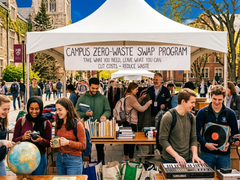
Zero-waste swap programs let students trade unwanted items for free, cutting costs and diverting waste from landfills. Covers program models, campus benefits, scaling steps, and why these programs matter for international students facing higher setup costs.
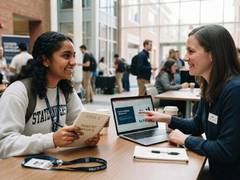
Industry partnerships are replacing static curricula with live projects, co-ops, sponsored labs, and micro-credentials, all while faculty keep final say over grades. Covers the skills gap, how academic rigor stays protected, and what curriculum leaders should do next.

Post-COVID aid programs changed how colleges recruit and fund students, from HEERF grants to Pell rules and FAFSA timing. This piece breaks down what's law, what's still pending, and how international students fit in.
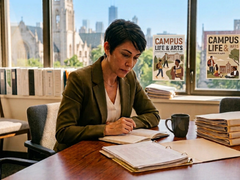
Acceptance rates only tell part of the story. Learn how course rigor, recalculated GPA, admissions reading time, yield, and early decision timing actually shape who gets into college, and why the process runs deeper than one headline number.

This job placement strategies article shows how career payoff drives adult re-enrollment. Covers employer partnerships, micro-credentials, credit for prior learning, Indiana's 17% completion boost, and New Jersey's re-enrollment model. 251 characters.

University leaders keep losing top students to the same corporate track by default. Real change means exposing students to other paths early, fixing career services, funding unpaid alternatives, and rewarding faculty who back non-corporate choices instead of penalizing them.