News & Insights

Tech is changing how you earn, prove, and use a degree abroad. See how micro-credentials, AI grading, and predictive support are reshaping higher education for international students right now.

Federal work colleges require every resident student to work in exchange for reduced or eliminated tuition. Only 10 hold the designation, now 9 active after Sterling's 2026 closure. Covers requirements, costs, history, and what international applicants should check first.

The U.S. just replaced the random H-1B lottery with a wage-based earnings test. Higher-paying job offers now get better odds. Here's how the new selection system works, what it means for Duration of Status, and how to boost your chances after graduation.

University leaders can maintain academic rigor and expand student access at the same time. This guide covers the strategies, metrics, and leadership approaches that make both goals achievable.

Student loneliness is rising on campuses, yet student leaders are pushing back. From tech-free spaces to peer mental health advocacy, they are rebuilding human connection, and university leadership needs to resource that work, not replace it.
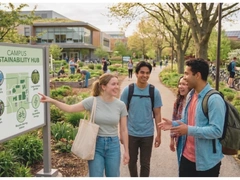
Sustainable campuses are becoming a top recruitment tool. With 45% of students factoring sustainability into college choices, institutions that build real green programs, back them with data, and market them clearly will have a measurable edge in enrollment.