News & Insights

Visa crackdowns are pushing students toward global education hubs in Asia and the Gulf. This breaks down why branch campuses are losing ground to shared-risk partnerships, and what leadership needs to know to keep up.
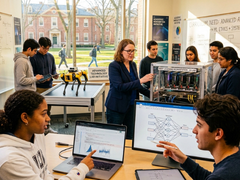
Colleges are racing to launch AI majors as computer science enrollment drops and employers demand AI skills across every field, not just tech. The winning programs pair AI with another department instead of just rebranding a CS track.
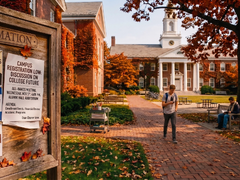
Small colleges face a real financial crisis: fewer students, record tuition discounts, and thin reserves. This breaks down why old fixes stopped working, what real survival strategies look like, and what leaders and students should each watch for.

Social media screening seems harmless but brings real risk: hidden bias, unverifiable accounts, EEOC and FCRA exposure, and a rising tide of fake AI profiles. Here's what admissions offices and employers should do instead.
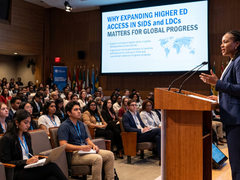
Higher education access in SIDS and LDCs shapes poverty reduction, climate resilience, and governance, yet up to 75% of graduates leave for good and don't return. Real fixes exist: regional consortiums, return-of-service scholarships, and hybrid degree partnerships.

New federal rules just reshaped your college costs. Pell Grant limits changed, loan caps replaced Grad PLUS, and schools now must prove your degree pays off. Check your SAI, price out loan caps, and question programs with weak earnings data before you enroll.