News & Insights

Landing an internship is step one. Here's how international students turn it into a full-time offer, plus the 2025 and 2026 visa rule changes on cap-gap and OPT grace periods you need to know before your work authorization runs out.

Universities are redesigning how they test students, from staged drafts to oral exams to AI disclosure, as schools like Princeton, Cornell, and Surrey rethink assessment in the AI era.

Learn the real job search secrets for international students: use CPT before graduation, target visa-friendly employers, frame OPT confidently with recruiters, network with alumni, and explore H-1B alternatives like O-1 and cap-exempt sponsors.

Students trust their own campus leaders more than politicians, but that trust drops at big name schools and fades without mentorship. This breaks down the data and what leadership teams can do to protect it.

Post-study work visas drive enrollment as much as cost or rankings. See how U.S. OPT stacks up against Canada, Australia, and the UK, why most students would study elsewhere without work rights, and what tighter federal rules mean for your recruitment and revenue.
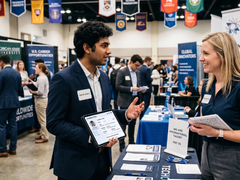
Recruiters rarely understand OPT and CPT. Get the exact talking points, timelines, and a ready-to-use script so you can explain your work authorization clearly and confidently, without leaving employers guessing about cost, sponsorship, or your H-1B path.