

| 니카라과의 교육 제도 |
초등교육 교육
니카라과의 학년도는 2월부터 11월까지이며, 초등교육은 무상 의무교육입니다. 그러나 외딴 지역의 부족들은 교육시설을 이용하기 어렵고, 이러한 지역에서는 여전히 어린 자녀가 부모를 위해 일하는 것이 관행입니다. 취학 아동 중 6학년까지 마치는 비율은 30%에 불과합니다. 일부에서는 후속 교육시설 부족으로 인해 정부가 강제 중도 탈락률 정책을 시행한다고 주장합니다.중등교육 교육
중등학교 교육은 많은 빈곤층 니카라과인이 꿈만 꿀 수 있는 사치입니다. 이는 국가가 여전히 언어와 민족에 따라 극심하게 분열되어 있고 부유한 소수 계층이 지배하고 있기 때문입니다. 운 좋게 12학년까지 마친 학생들도 현지 대학에서만 계속 공부할 자격을 얻는데, 이는 이들 학교 교육의 질에 대한 세계의 평가가 그만큼 낮기 때문입니다.직업교육 교육
Vocational training as it exists in a country still battling with poverty and illiteracy is largely in the hands of private colleges in larger centers. As a result, the most that the majority can anticipate is a lowly paid, menial job especially in rural areas. Where they exist, vocational colleges offer 2 to 3 year courses in technical and vocational education. The main qualification is a technico superior.고등교육 교육
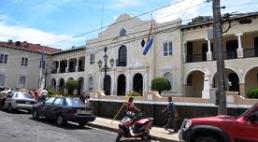 Entrance hurdles to a Nicaraguan University include a secondary school qualification, an entrance examination, and the ability to afford fees. The primary undergraduate degree is a 4 – 5 year licenciado which may confer a title. Further study opportunities include a 2 year graduate maestria.
The oldest university, illustrated here is the Universidad Nacional Autonoma de Nicaragua, dating from 1812 and founded during the Spanish colonial period.