
| 韩国的教育体系 |
初等教育 Education
Kindergarten is optional in South Korea and most parents prefer to keep their little ones at home as long as possible. However, at age 6 their child must move on to 6 years compulsory chodeung-hakgyo elementary education. There they learn subjects like English, Fine Arts, Korean, Maths, Moral Education, Music, Physical Education, Practical Arts, Science and Social Studies, usually all presented by a single teacher. Some parents send their children to private hagwon schools after hours, where English may be better taught.Middle Education
Places in secondary schools are awarded by lottery and everybody gets an equal chance. The transition to 3 years of middle school can be difficult because studies are taken far more seriously. Discipline is stricter too with uniforms, haircuts and punctuality strictly enforced. This time though, specialist teachers move between classrooms teaching core subjects, including English, Korean, Maths, as well Social Science and Pure Science. Optional programs include Art, Ethics, History, Home Economics, Music, Physical Education, Technology, and Hanja Chinese Characters.中等教育 Education
The final 3 years of school education take place at high schools. These may specialize according to subjects taught (e.g. Science versus Languages), or present more general academic curriculae. Some are state owned and some are privately run. The quality of their results is legendary. Standards are high.职业教育 Education
Approximately 25% of middle school graduates prefer to go on to vocational schools where they are taught skills in 5 fields including Agriculture, Commerce, Fishery, Home Economics and Technology. The 1st of 3 grades follows a common program, where after students specialize.高等教育 Education
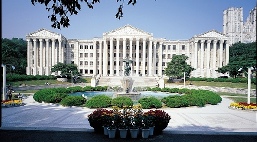 The greater majority of Korean high school students write a college scholastic ability test with a view to studying further. Standards are high and some students start preparing as early as in kindergarten years. The 5 sections of the test investigate knowledge of English, Korean and Maths, and also elective subjects such as Social Sciences, Physical Sciences and the Humanities.
At university, students encounter unfamiliar standards of excellence and whole families become involved in helping them to pass. At examination times, businesses even open for shorter hours in recognition of this fact. A student who passes though, has a qualification that meets top international standards, and of which he or she may be justifiably proud. Korea - living proof of the power of a knowledge-based economy.