News & Insights
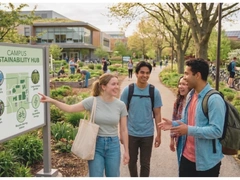
Sustainable campuses are becoming a top recruitment tool. With 45% of students factoring sustainability into college choices, institutions that build real green programs, back them with data, and market them clearly will have a measurable edge in enrollment.
Honors colleges offer smaller classes, scholarships, and a transcript distinction, but require a higher GPA, honors credits, and a thesis. Here's how to decide if the tradeoff is right for you.

College students are arriving less math-ready than ever. Here's how university leaders are using corequisite courses, tailored pathways, AI tutoring, and early assessment to close the gap before it derails student success.
Universities are rethinking the academic calendar to boost enrollment and completion. Compressed 8-week terms, winter intercessions, year-round scheduling, and CBE programs give students more flexibility and help institutions reach learners they're currently losing.
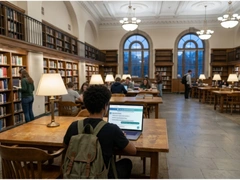
AI librarians bridge IT, teaching, and library teams to lead AI literacy on campus. As student AI adoption outpaces faculty, this role is becoming a practical necessity, not just a trend.

Networking in college doesn't have to be hard. Start early, use your career center, build a LinkedIn presence, and tap personal connections. Avoid common mistakes like asking for jobs too soon. Consistency beats confidence every time.