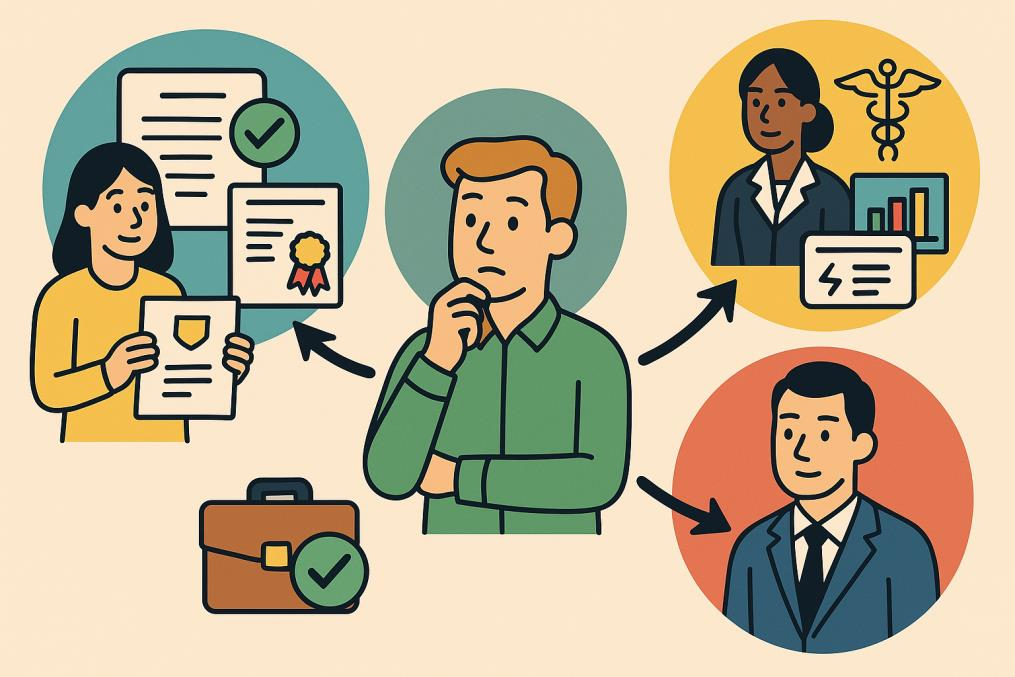
Understanding how employers verify foreign degrees helps you prepare for hiring checks and avoid delays. Employers want clear proof that your education is real, accredited, and equivalent to local standards. You can make this process smoother by knowing what they look for and what documents you should prepare.
Why Employers Verify International Credentials
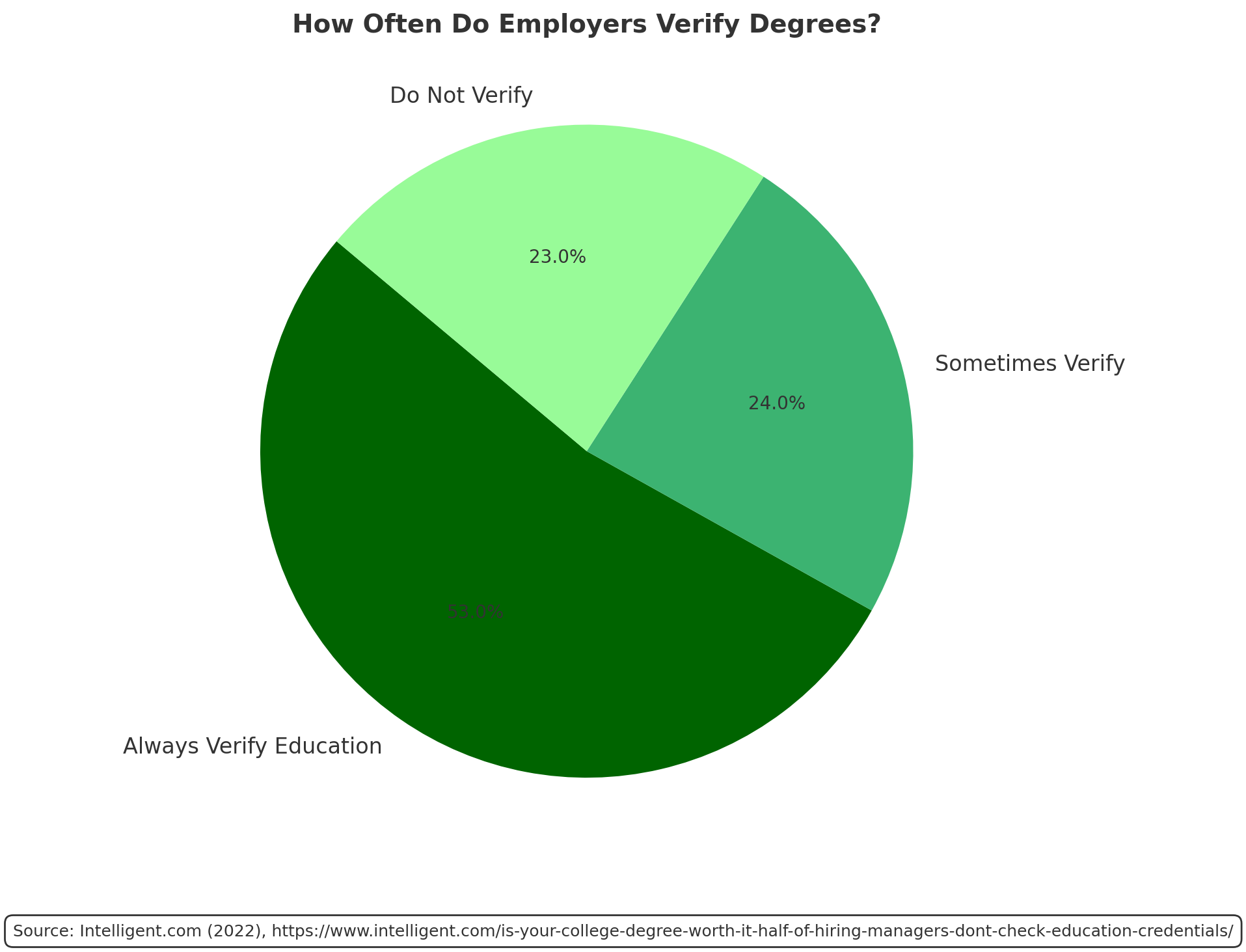
Employers want to confirm that your academic history matches the job requirements. They check three things:
Your degree is legitimate and issued by a recognized institution.
The program matches the level of education they expect for the role.
Your education aligns with U.S. or local standards in structure and content.
Some positions, especially in regulated fields like healthcare or engineering, apply extra verification steps.
Common Verification Methods Employers Use
You will see employers use a mix of methods depending on the company, location, and the role’s sensitivity. Common options include:
Direct contact with your university. Some HR teams email or call the registrar to confirm graduation details.
Third party verification. Employers hire companies that specialize in checking foreign transcripts and institutional records.
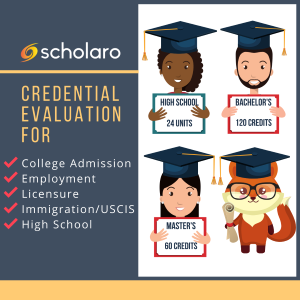
Credential evaluations. Agencies such as Scholaro, WES, ECE, and SpanTran convert your degree into a U.S. equivalency.
Document authentication. In some cases, employers want embassy legalization or ministry verification to confirm authenticity.
Most employers use at least two methods for added confidence.
What Credential Evaluation Reports Include
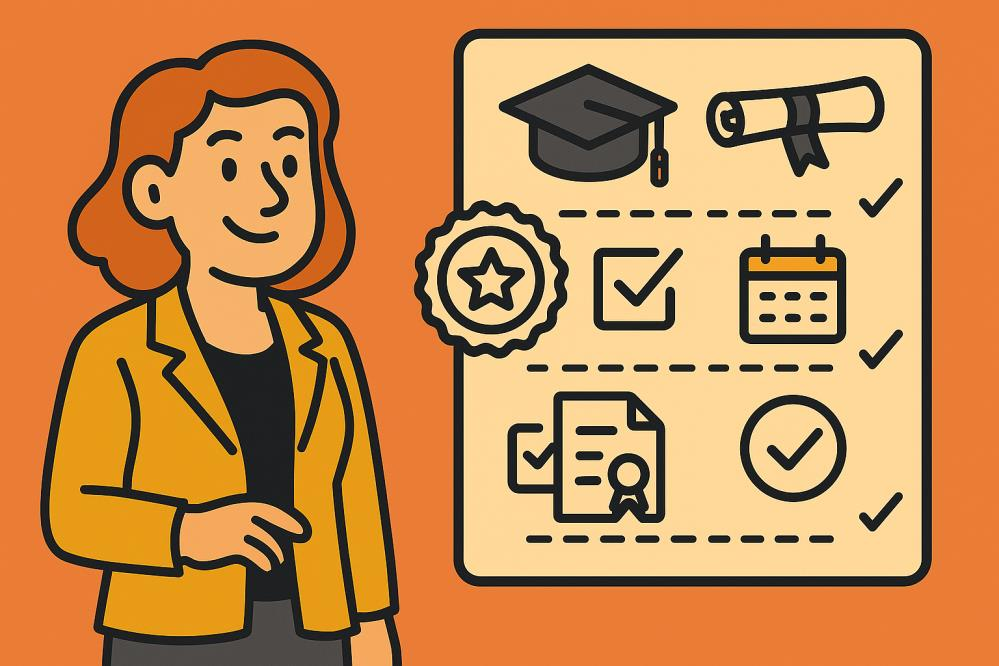
Many employers rely on evaluation reports because they simplify complex education systems. A typical report includes:
A verified translation if your documents are not in English.
Confirmation that your institution is accredited in your home country.
A U.S. equivalency statement that explains your degree level.
A GPA conversion on the 4.0 scale.
Notes about your education system’s structure or grading standards.
These reports help employers avoid guessing how your degree fits into their requirements.
Documents Employers Usually Request
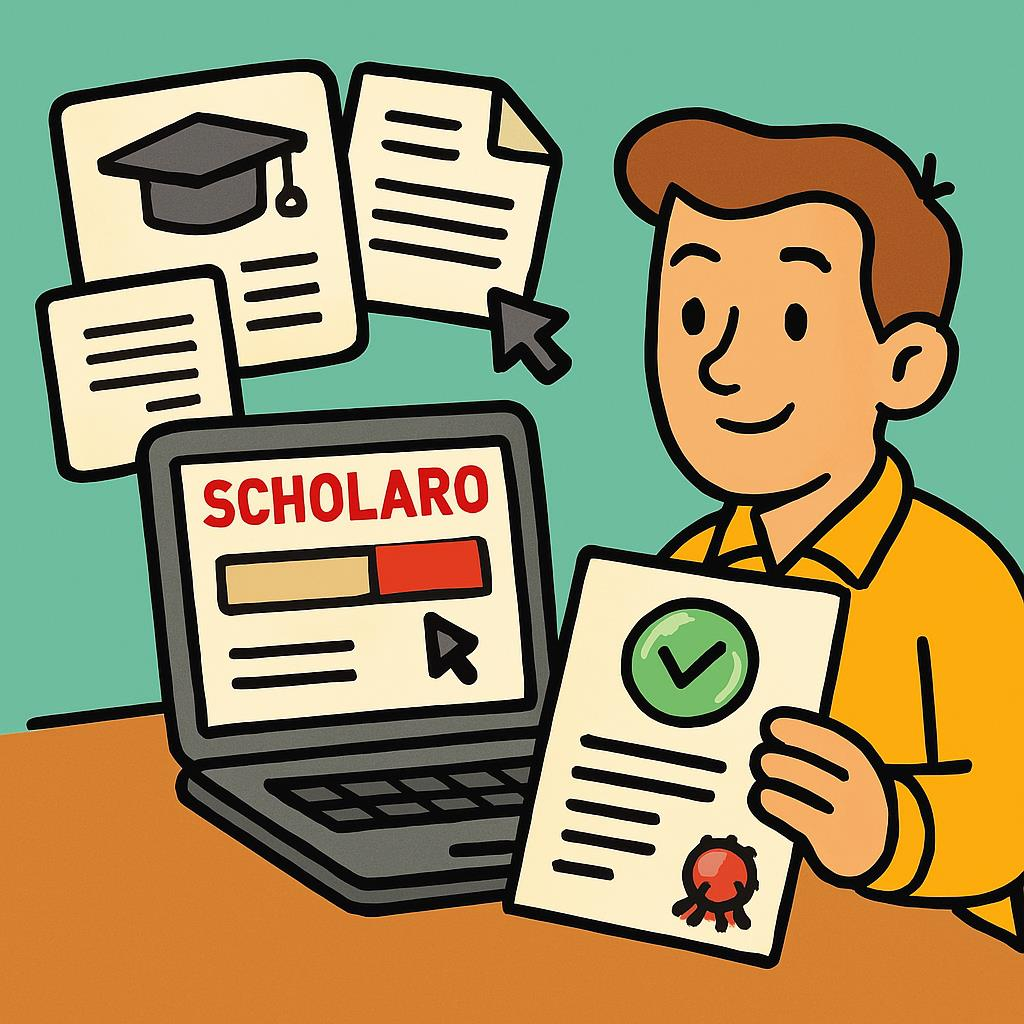
You can expect employers to ask for several items during hiring or onboarding. Common examples include:
Official transcripts sent directly from your university.
A scan or certified copy of your diploma.
Proof of accreditation for unfamiliar institutions.
A course list or syllabus for specialized roles.
A credential evaluation report for positions that require one.
Having these ready saves you time during the hiring process.
Common Issues and How You Can Avoid Delays
Problems often come from slow university processing or unclear documents. You can reduce delays by preparing early. Frequent issues include:
Long wait times for official transcript requests.
Missing seals or incomplete records.
Name differences between documents and your passport.
Employers struggling to verify schools that have limited online information.
Easy steps that help you avoid problems:
Order multiple sets of official transcripts before you start applying.
Keep clear scans of your diploma and transcripts.
Use a well known evaluation agency to help employers understand your credentials.
Mention your credential evaluation in your resume if the job requires one.
Conclusion
Employers verify foreign degrees to confirm authenticity, accreditation, and equivalency. When you prepare your documents early, keep clear copies, and use a reputable evaluation service, you move through verification faster. This preparation helps you present your education with confidence and reduces the time employers spend validating your background.