
News & Insights

AI in college admissions fights fraud, fake essays, and data breaches, but only when used responsibly. Ghost students cost institutions millions. Detection tools carry bias risks. Human oversight remains essential.
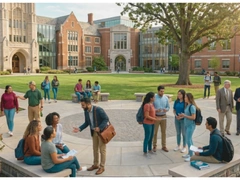
Students remain nearly half a grade level behind pre-pandemic levels. Here is what actually works: intensive tutoring, early alert systems, structured probation programs, and extended learning time.

Higher education teams are running lean. Here's how to protect student outcomes, cut workload without adding staff, use chatbots and tech tools, and spend limited budgets where they actually matter.
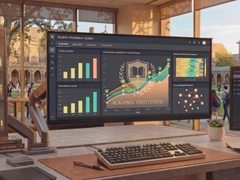
AI monitoring systems flag struggling students weeks before advisors notice. They track LMS logins, grades, and aid status, triggering alerts the moment risk thresholds are crossed. Know what data vendors store before you sign anything.

Most college students have at least one nontraditional characteristic. This guide covers four routes to admission: community college transfer, re-entry programs, direct admissions, and Credit for Prior Learning.

Where you go to college shapes your daily life as much as what you study. This guide covers how campus setting, distance from home, climate, regional culture, and transport options affect your college experience.