News & Insights

Excessive phone use cuts college grades, disrupts sleep, and raises anxiety. Students lose focus every 3–4 minutes in class. Simple fixes like phone-free study blocks and disabling notifications make a measurable difference.

Skills-based hiring now shapes most hiring decisions. Employers want proof of tech skills, critical thinking, and adaptability, not just a degree. Build a portfolio, earn recognized certifications, and prepare for skills assessments to compete effectively in 2026.

Degrees are easy to verify but experience often carries more weight with employers. This piece covers what actually gets candidates hired, the 70-30 rule, and how students should build their resumes to show both.

Over 40 million U.S. students have taken at least one online course. The format debate is real, but research shows delivery method matters less than program quality, instructor engagement, and your own self-discipline.
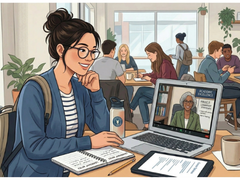
Student satisfaction with online programs varies widely across institutions. That gap represents both risk and opportunity. Institutions that understand what students actually want will attract enrollment, improve retention, and build competitive advantage. Those that don't will lose students to competitors who do.

Landing your first job abroad feels like the finish line. You've studied in a foreign country, survived campus life in an unfamiliar culture, and earned a degree that proves you can handle it. Then day one arrives, and nothing feels the way you expected. That's not failure — that's career shock and culture shock hitting at the same time. Most graduates prepare for one and get blindsided by both.