
News & Insights
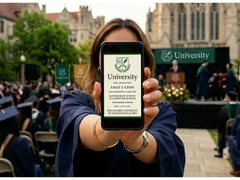
Digital diplomas are faster, more secure, and easier to share than paper. Only 7% of institutions offer them — early adopters cut fraud, save admin time, and give graduates a credential that works in a digital hiring market.

US universities face a funding and enrollment crisis. Visa restrictions and federal cuts are pushing them to open campuses abroad. But branch campuses come with real risks — and only well-prepared institutions are likely to make them work.
Universities use social media to recruit international students and support learning in 2026. Platform-specific strategies, student-led content, and alumni engagement drive enrollment. Authentic peer content builds trust that traditional marketing cannot match.
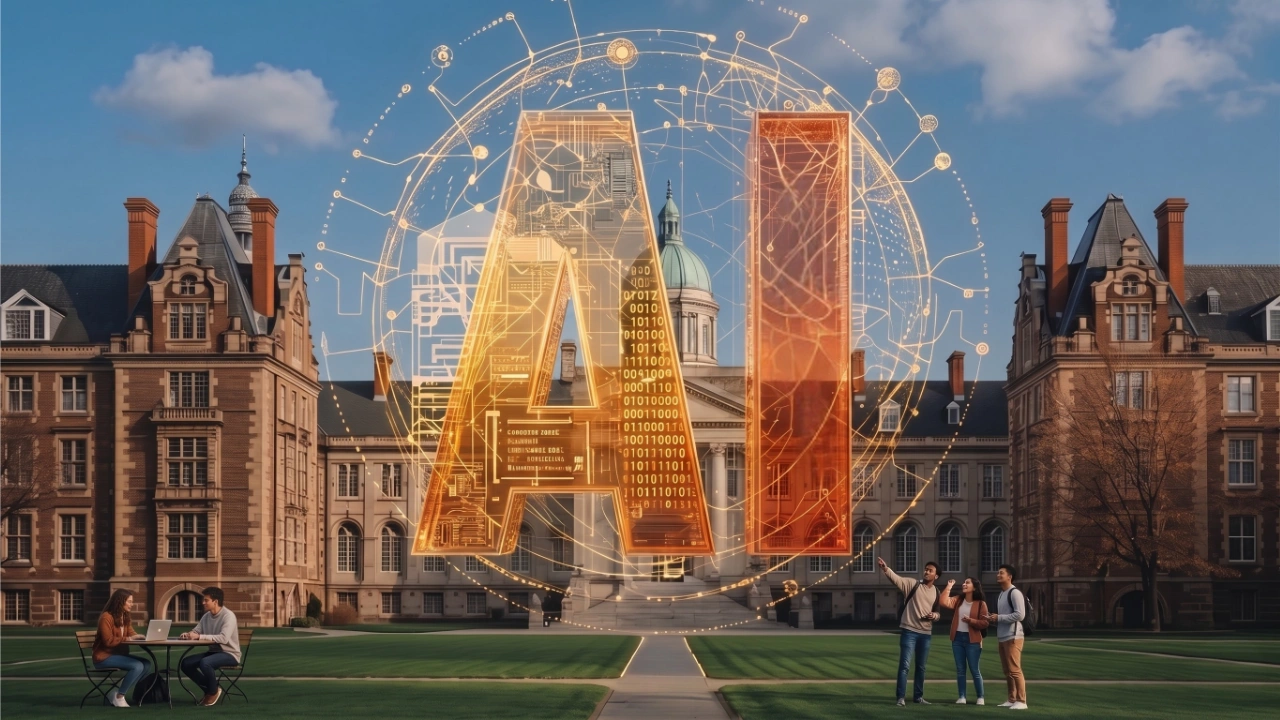
AI is reshaping higher education fast. Universities are adopting tools before building the policies, training, or equity frameworks to support them. The gap between what institutions are doing and what students need is widening.
Student debt rules changed in 2026. Don't borrow more than your expected starting salary, keep payments under 10% of income, and factor in your major — the same debt hits very differently depending on what you earn.
The 2026 job market is the toughest for new graduates since the pandemic. Underemployment sits at 43%, AI is cutting entry-level roles, and hiring is nearly flat. Your major and internship experience now determine your odds.